
Resumen
Soñar es ampliar los límites de lo posible y construir nuevos mundos, ahora y para nuestro futuro colectivo.
Les niñes y jóvenes feministas se atreven a imaginar mundos donde todas las personas florecen y pertenecen. Incluso en medio de profundas injusticias y desigualdades, están transformando sus comunidades y sistemas, construyendo activamente vidas arraigadas en la dignidad, la libertad y la justicia.
La publicación de Soñar y Construir Mundos rastrea las visiones, prácticas y aprendizajes que surgieron de niñes y jóvenes feministas que participaron en el Juego de soñar y construir mundos en múltiples países. Nos ofrece una ventana hacia el soñar como una práctica transformadora y plantea llamados claros a la acción para que quienes financian destinen recursos a estas prácticas como vías esenciales hacia el cambio sistémico.
¿Por qué ahora? Soñar como un acto político
Soñar expande lo que es posible, mientras que la construcción de mundos lo hace realidad.
Soñar es la forma en la que se produce el cambio. Es una práctica de transformación: amplía el horizonte de lo posible y nos ayuda a visualizar futuros más justos y que valoran la vida.
Soñar es tanto una estrategia de resistencia como una fuente de esperanza, que desafía y se niega a normalizar la injusticia. Soñar es romper con las formas en que la opresión sistémica limita activamente la imaginación y concentra el poder y los recursos en manos de unos pocos.
Les niñes y jóvenes feministas nos están enseñando que soñar no es solo albergar la esperanza de un futuro mejor, sino reclamar activamente su derecho a dar forma al mundo mismo. Sus sueños son visionarios y tangibles, y ya están abriendo el camino hacia la abundancia, la solidaridad y nuevas posibilidades.


Adéntrate en los temas de los mundos que les niñes y jóvenes feministas están soñando y construyendo…
.png)
1. Libertad, seguridad y pertenencia: Un mundo que se siente como un abrazo
La presencia de la seguridad, el sentido más profundo de pertenencia y el derecho a ocupar espacio sin pedir disculpas. La libertad, la seguridad y la pertenencia son las condiciones que hacen posible todo lo demás que soñamos.
.png)
2. Reciprocidad, cuidado y bienestar compartido: Nos vemos unes a otres y nos ayudamos
Mundos sostenidos a través de la responsabilidad mutua, la abundancia compartida y el bienestar colectivo. El cuidado no es una carga privada, un acto de caridad ni algo reservado para quienes pueden permitírselo: es el sistema operativo de la sociedad misma.
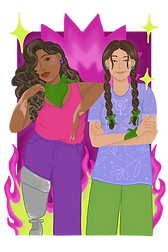.png)
3. Libertad para expresarse, cuestionar y tener curiosidad: Un mundo que es lo suficientemente paciente para llegar a la verdad
Libertad para pensar, maravillarse, rebelarse y decir la verdad. No se busca vigilar la expresión, se da la bienvenida a las preguntas y se considera a la curiosidad como una forma de poder, no como una amenaza. Estos son mundos donde las personas se detienen, piensan y miran más allá de la superficie.
.png)
4. Conexión con la tierra, la naturaleza y la armonía ecológica: Un mundo de regeneración
Mundos que honran a la tierra, el cielo, el agua y los seres con quienes compartimos la vida. La Naturaleza se piensa como una relación a cultivar, no como un recurso que extraer. Entornos que respiran, se regeneran y nos sostienen.
.png)
5. Recuperar la alegría, el descanso y el juego: El tiempo no es una carrera — es un ritmo
Mundos donde el tiempo transcurre con suavidad, y donde el descanso, la alegría y el juego marcan la cadencia de la vida. El placer y el descanso no se ven como distracciones de una vida con sentido, sino como la sustancia misma de la que se nutre una vida significativa.
.png)
6. El arte y los mundos sensoriales: La belleza de la vida
El arte, la belleza y la experiencia sensorial como componentes esenciales de las sociedades sanas, desafiando los paradigmas que tratan a las artes como no esenciales, secundarias o reservadas únicamente para quienes tienen riqueza material. La creatividad apoya a las comunidades en la enseñanza, la sanación, la gobernanza y la memoria.
.png)
7. Liderazgo, agenciamiento y poder compartido: El liderazgo como responsabilidad
Mundos donde el poder se reconfigura, no como dominio o jerarquía, sino como responsabilidad compartida, orientación ética y toma de decisiones colectiva. El liderazgo es profundamente relacional, distribuido y colectivo.
.png)
8. Justicia, sistemas y equidad estructural: Un mundo de abundancia para todes
Mundos construidos sobre la equidad, el acceso igualitario y la dignidad en la vida cotidiana. Todas las personas tienen suficiente, el poder se comparte y nadie florece a expensas de alguien más. Mundos donde todas las personas pueden vivir con dignidad, sin miedo y sin escasez.
Llamados a la acción para donantes
¿Te imaginas un mundo basado en nuestra dignidad, libertad y justicia colectivas? ¿Cómo se vería, cómo se sentiría y cómo sonaría? ¿Qué sería posible si invirtiéramos en quienes ya están creando ese futuro?
Les niñes y jóvenes feministas ya están forjando realidades que afirman la vida, para sus comunidades y para todes. Sus sueños no son escapistas del mundo, sino una exigencia de rehacerlo.
Esta es una invitación a invertir en un futuro que ya está tomando forma. Cuando se les brinda confianza y flexibilidad, los sueños y la visión del mundo de les niñes y jóvenes feministas transforman los sistemas y amplían las posibilidades para todas y todos.
Quienes otorgan financiamiento pueden optar por apoyar esta labor visionaria. Esto incluye:
-
Invertir en espacios para soñar, cuidar, gozar, experimentar y dar rienda suelta a la imaginación radical
-
Confiar, financiar y apoyar el liderazgo de les niñes y jóvenes feministas mediante recursos sostenidos a largo plazo y flexibles
-
Reconocerles como líderes en múltiples movimientos y apoyar el trabajo interseccional
-
Adoptar prácticas liberadoras y el aprendizaje emergente replanteando los enfoques convencionales del Monitoreo, Evaluación y Aprendizaje
-
Brindar recursos a les niñes y jóvenes feministas para su autodeterminación económica a largo plazo
-
Apalancar los recursos y la influencia de los donantes para movilizar financiamiento adicional destinado a soñar y construir un mundo mejor
-
Practicar el poder del soñar colectivamente, como custodios de recursos (¡descubre más sobre el Juego!)
El futuro se forja en función de lo que decidimos financiar. Únetenos para construirlo.
Reflexiones de las personas facilitadoras
Les facilitadores del Juego de soñar y construir mundos acompañaron a infancias y jóvenes feministas en espacios de imaginación, resistencia y creación colectiva. Sus reflexiones ofrecen aprendizajes importantes sobre las prácticas de sostener y guiar espacios para que les niñes sueñen y articulen los mundos que están construyendo.
Les facilitadores reflexionan sobre cómo acompañar a las chicxs en el soñar y construir mundos es un desafío a sus propias presuposiciones, reta las jerarquías adultocéntricas y revive su propia capacidad de imaginar colectivamente.
Destacan las posibilidades transformadoras que emergen cuando los sueños de les niñes y jóvenes feministas son sostenidos, compartidos y construidos de manera colectiva.
.png)

Agradecimientos
Damos gracias a todes, niñes y jóvenes feministas, quienes participaron en las sesiones del Juego de Soñar y construir mundos en Argentina, India, Jordania, Kenia, Rumania, Tanzania, Estados Unidos y las sesiones multi-regionales, cuya imaginación radical, sueños, perspectivas, resistencia y construcción de mundos sentó las bases para este cuerpo de trabajo colectivo.
También expresamos un agradecimiento profundo a las personas facilitadoras y aliades feministas que nos acompañaron en estos espacios de creación y aprendizaje colaborativo e intergeneracional, incluyendo a quienes contribuyeron con reflexiones para este informe: Asha Athman, Augustina Mihaela Vasile, Banan AbuZainEddin, Gabrielle Bailey, Jimena Alejandra Aon, Juliana Román Lozano, Kruthika NS, Nyawira Wahito, Priyanka Samy, Purity Kagwiria, y Zeedah Meierhofer-Mangeli.
Texto de la publicación: Majandra Rodriguez Acha, Jody Myrum, and Laura V.
Ilustraciones: Ayleen Mayte Diaz Rivera


